Maratha Forts on UNESCO's List: Read the Landscape, Not Just the Walls
Why India's twelve-fort heritage network tells a bigger story
Discover what makes the Maratha Military Landscapes a UNESCO World Heritage property and how to explore its hill and coastal forts with fresh eyes.
Twelve places, one connected idea
A fort can look like a single dramatic building. The Maratha Military Landscapes of India invite a wider view. Inscribed on UNESCO's World Heritage List in 2025, the property brings together twelve fortifications: eleven in Maharashtra and Gingee in Tamil Nadu. UNESCO describes a system adapted to mountains and coasts, developed through construction, adaptation and expansion between the late seventeenth and early nineteenth centuries.
Start by looking beyond the gate
Before photographing the entrance, look at the route that brought you there. Where does the approach narrow? What can be seen from above? Which side is exposed to the sea? These questions turn a visit into an exercise in reading terrain. The landscape helped shape defence, movement and control. A local guide can connect visible features to the history of the particular fort instead of treating every wall as interchangeable.
Hill and coastal forts tell different stories
Compare a hill setting with a coastal one through maps and official visitor information before planning a route. Raigad and Shivneri help introduce the hill-fort story; Sindhudurg offers a coastal perspective. These examples are starting points for learning, not a claim that each is equally easy to visit. Travel time, steps, boat access and local conditions can change the experience significantly.
Plan one meaningful visit first
Choose a single fort that suits your starting city and your group's mobility. Leave room for the journey, a guided walk and breaks. Check current opening arrangements, weather and transport with the relevant authorities before booking. Carry water, wear footwear suited to uneven ground and stay on permitted paths. A UNESCO inscription does not make a historic site accessible in every area or remove local restrictions.
Three questions to take home
Ask what this place protected, how its location helped it, and what work is needed to keep it standing. Photograph signs as well as views, and distinguish documented history from local legend in your travel notes. If you share pictures, add the fort's correct name and a conservation-minded caption. A quieter, more attentive visit often reveals details that a rushed checklist misses.
Sources and illustration
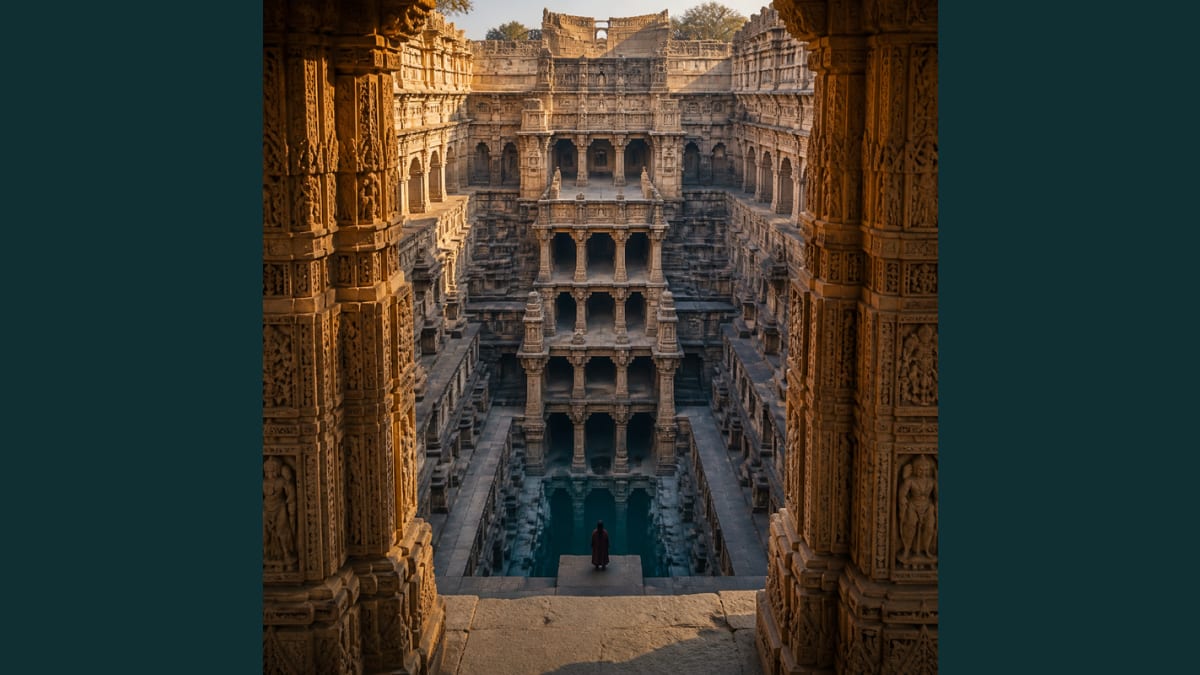
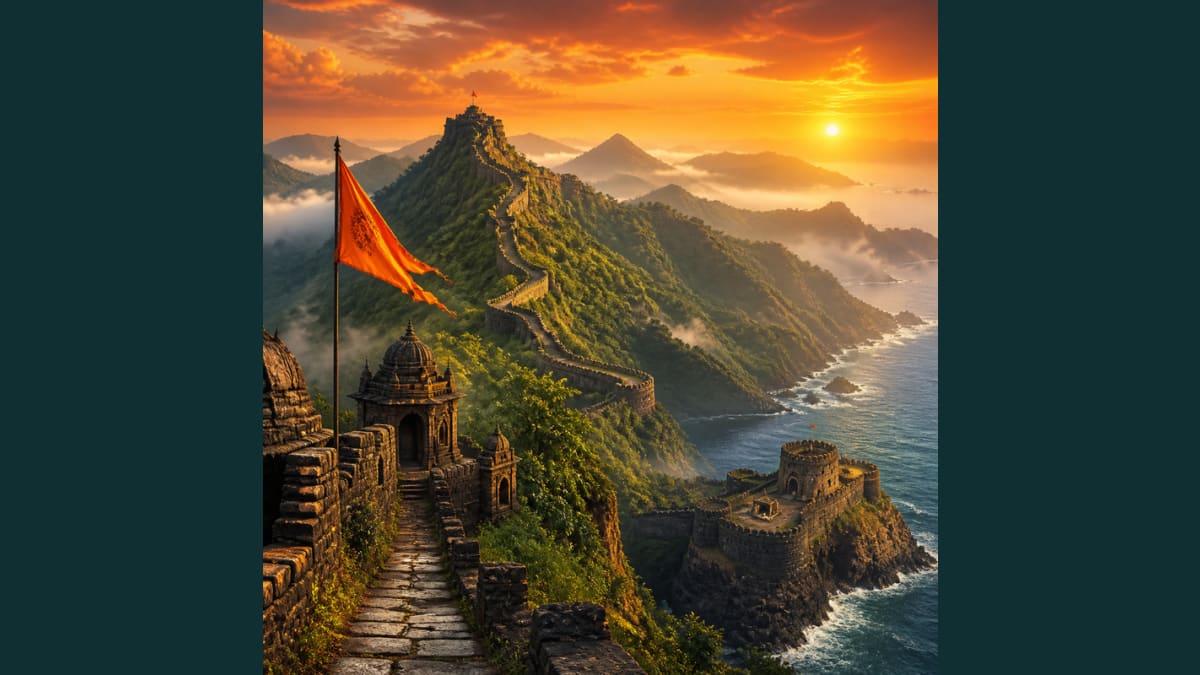
Research references are UNESCO's property description and the ICOMOS evaluation. The cover is an AI-generated artistic composite made with Canva, not a photograph or an accurate reconstruction of a named fort.
UNESCO: Maratha Military Landscapes: https://whc.unesco.org/en/list/1739/
ICOMOS evaluation, 2025: https://whc.unesco.org/document/221034